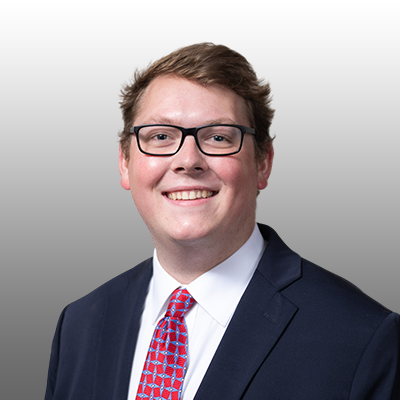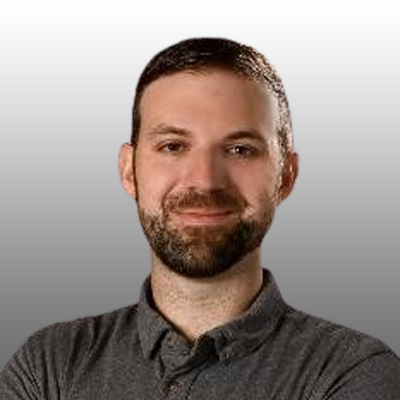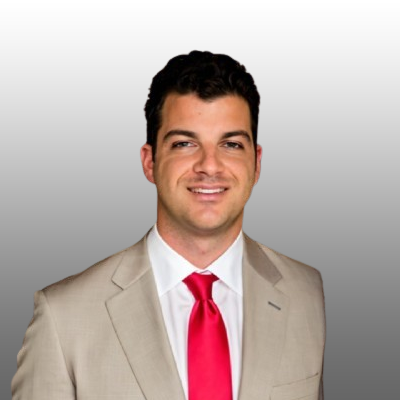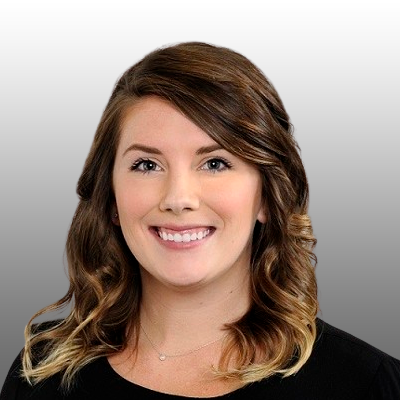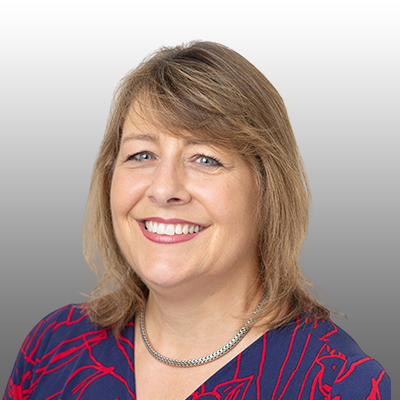
I began my career in multistate sales and use tax consulting in 2023 at a top 10 CPA firm after graduating with my Juris Doctor and Master of Accountancy from the University of Idaho. My experience primarily includes nexus and taxability analyses, voluntary disclosures, refund claims, and audit defense services for clients across a variety of industries, including technology, manufacturing, construction, retail, and healthcare. I have also worked with other state and local taxes, including gross receipts and insurance premium taxes. I enjoy the problem-solving side of sales tax, especially working through complicated rules and turning them into practical answers. When I’m not navigating the complexities of sales tax, I enjoy reading, watching movies and sports, and spending time outdoors with my wife.
Favorite Animal – Staffordshire Bull Terrier
Favorite Movie – The Prestige
Favorite Book – Dune by Frank Herbert
Favorite Album – A Moment Apart by Odesza
Favorite Sports Team – The Seattle Seahawks & Mariners
Favorite Food – Sushi
If I weren’t a state tax consultant, I’d be a film critic
I have practiced public accounting since 2017, following in the footsteps of my grandfather and uncle who exemplified client service and tax acumen. Prior to joining Miles Consulting I worked in the state and local tax group at a top 10 CPA firm, primarily focused on multistate sales and use tax, as well as gross receipts and telecommunications taxes. I’ve had the opportunity to serve clients across industries, most commonly in the technology and communications spaces. I enjoy the challenge of reconciling our modern technologies and service offerings against sales tax authorities that long predate them. When I’m not talking taxes, you can find me unwinding with family and friends in the west coast’s mountains, streams, and ski trails.
Favorite Movie – Top Gun
Favorite Album – Double Live – Garth Brooks
Favorite Sports Team – Gonzaga Bulldog basketball and Oregon Duck football
Favorite Food – Salmon
Favorite Vacation Destination – Italy
Hobbies – Fly fishing, skiing, hiking, and camping with family and friends
If I weren’t a state tax consultant, I would be a fly fishing guide
I have over 14 years of experience in business development, specializing in the healthcare and accounting industries. Throughout my career, I have focused on building strong client relationships, identifying growth opportunities, and connecting businesses with solutions that support their long-term success. I enjoy learning about a variety of business models and operational processes, which allows me to better understand each client’s unique needs and provide a thoughtful, consultative approach. I am fluent in both English and Tagalog and enjoy working with diverse clients while fostering meaningful relationships built on trust, communication, and exceptional service.
Outside of work, I am married and we have one son, Clyde. I enjoy surfing, riding motorcycles with my dad, traveling, and spending time with family and friends.
Favorite Animal – Cavalier King Charles Spaniels and Cheetahs
Favorite Music – Classic Rock (1960s–1980s), Punk Rock (1980s–1990s), and Metal
Favorite Food – Italian
Favorite Vacation Destination – Nazaré, Portugal
Hobbies – Surfing, snowboarding, riding motorcycles, traveling, and spending time with family and friends
If I weren’t a business development professional, I’d be a chef
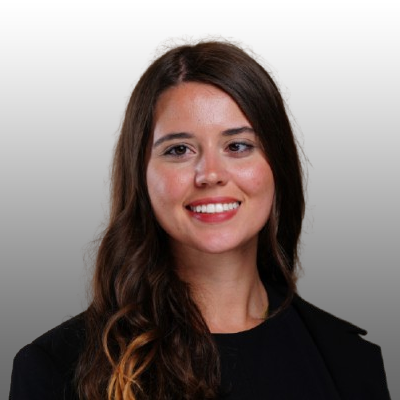
With just over four years of experience in the tax industry, I started my career in tax at a tax resolution and compliance start-up. I then spent two and a half years in the multistate tax practice at a Big 4 professional services firm. Most of my role involved doing indirect tax consulting, and in state compliance, where I dealt with complicated tax issues and honed in on legal research and writing skills. I went to Liberty University for both my Bachelors in Political Science and Masters in Business Administration. I also went to Loyola Law School in downtown Los Angeles. I’m passionate about serving team and client needs, specifically in sales and use tax, where I get to use both my accounting and legal skill sets.
Outside of work, I enjoy running marathons, indoor cycling, Yelp reviewing, and family nature walks with my dog and husband.
Favorite Movie – A Walk to Remember
Favorite Book – The Silent Patient by Alex Michaelides and all Frieda McFadden books. I love a good thriller with many plot twists!
Favorite Album – Speak Now by Taylor Swift
Favorite Sports Team – The Los Angeles Sparks
Favorite Vacation Destination – I’ve loved my visits to Greece and Bermuda. Anywhere with a beach!
Hobbies – Cooking, reading, and working out
If I Weren’t a Tax Consultant – I’d be a full time fitness instructor

I am an accounting professional and office manager with over 18 years of experience, a Master’s Degree in Accounting, and credentials as an Enrolled Agent with the IRS. Throughout my career, I have worked with both large corporations and small businesses, gaining expertise in accounts payable/receivable, payroll, budgeting, tax, compliance, and bookkeeping. I am also an expert in QuickBooks Online, helping clients streamline processes and maintain accurate financial records. I enjoy building strong relationships, solving problems, and finding efficient, compliant financial solutions. Outside of work, I love traveling in my RV, spending time near the water, and enjoying life with my husband and our three daughters, who keep us busy with sports and activities.
Favorite Movie – Christmas Vacation
Favorite Album – I like too many to choose. I love almost all music genres.
Favorite Sports Team – Houston Astros
Favorite Food – Pizza
Favorite Vacation Destination –Anywhere near Water
Hobbies – Spending time with my family and camping in my RV.
If I weren’t a state tax consultant, I’d be a teacher
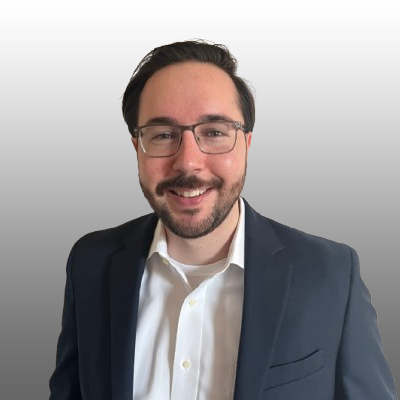
I have six years of experience in accounting with three of those years being in sales and use tax compliance and consulting. Prior to becoming an accountant, I began my career in the Hospitality Management industry, which taught me the importance of strong communication, leadership, and teamwork. From there, I have spent time working in accounting for a safari-planning company, a venture-capital accounting firm, and with a top 25 public accounting firm. Sales tax is an exciting and complex area of tax that allows me to utilize my analytical and detail-oriented skills to help clients achieve peace of mind. Outside of work, I enjoy spending time outdoors, traveling with my wife, and spending time at home watching movies with our two cats, Kit and Sophie.
Favorite Movie – Interstellar
Favorite Album – American Beauty
Favorite Sport Team – The 2024-25 World Champion Philadelphia Eagles!
Favorite Food – Seafood
Favorite Vacation Destination – The beach or the mountains, or anywhere in between
Hobbies – Watching movies, hiking, reading, walking, playing games, and traveling
If I weren’t a state tax consultant, I’d be a teacher
I have over 10 years of experience in sales and use tax, specializing in multi-state consulting. My journey began as a California local tax specialist, where I honed my skills for 4 years. Following this position, I transitioned to a Big 4 firm, dedicating over 6 years to assisting clients navigate complex issues around nexus, taxability, calculating exposures and remediation. My expertise is in the retail/manufacturing industries and the ever-evolving technology sector—from ticketing to gaming and startups. As a Certified Member of the Institute for Sales and Use Tax (CMI), I bring a strong analytical mindset to my work.
I enjoy my spare time with my young family in Southern California.
Favorite Movie – Harry Potter Series
Favorite Album – Guardians of the Galaxy Soundtrack
Favorite Sport Team – Kansas City Chiefs
Favorite Food – Sushi
Favorite Vacation Destination – London or anywhere near the ocean
Hobbies – Reading, hosting BBQ’s at home with family & friends, traveling, & relaxing at the beach
If I weren’t a state tax consultant, I’d be a librarian
I have over 9 years of experience in multistate tax experience. I started my career in tax working for a Big 4 professional services firm where I was based in Silicon Valley and primarily focused on the technology industry. There I gained a broad base of experience in multistate taxation including income, franchise, sales & use, and other state and local based taxes. I enjoy working in state and local tax because of the range of challenging and interesting projects that continually arise. Outside of work, I enjoy spending time with my family and friends, and occasionally, going out to shoot some hoops.
Favorite Movie – The Preacher’s Wife
Favorite TV Series – Insecure
Favorite Album – The Miseducation of Lauryn Hill
Favorite Sports Team – Instead of having a favorite team, I tend to choose favorite athletes and follow their journeys. My favorite athlete is Serena Williams.
Favorite Food – Soul Food
Favorite Vacation Destination – Japan
Hobbies – Spending time with family & friends, watching sports and anime, and traveling.
If I weren’t a state tax consultant, I’d be a sports analyst.
I studied meteorology at San Jose State and worked in that field for over 6 years for a private ship routing company. I then made a career change and studied accounting at Mission College. Aside from my professional career, I enjoy doing volunteer work. I have been a Sunnyvale Rotarian for over 10 years, where I love being involved with youth services and giving back to the community. For over 21 years, I have been involved with the National Stuttering Association (NSA). The NSA is the largest self-help group in the world for people who stutter. I lead a support group for people who stutter. I am also an alumni advisor for my fraternity from college, Kappa Sigma.
Favorite Movies: Maid in Manhattan and How to Lose a Guy in Ten Days
Favorite album: Back to Basics by Christina Aguilera
Favorite TV Sitcom: Friends and The Big Bang Theory
Favorite Sports Team: San Francisco 49ers
Favorite Food: Pizza and Chicken Enchiladas
Favorite Vacation Destinations: Hawaii and Florida
Hobbies: Listening to music and working out
Favorite Pastime: Having breakfast on the beach with my family
If I weren’t a state tax consultant, I’d be a teacher or meteorologist
I have over 10 years of experience specializing in sales and use tax. I worked for the California State Board of Equalization (“BOE,” now the California Department of Tax and Fee Administration) where I worked as a Tax Technician II for almost 5 years. Since 2017, I have been working with clients on multi-state sales and use tax projects such as registrations, voluntary disclosures, back return filings, and tax research. I enjoy working in the sales and use tax industry as it is challenging but rewarding. I have worked with clients in industries such as retail and banking. Outside of work I enjoy spending time with my three young children and husband.
Favorite Animal – Orcas
Favorite Music – Hip Hop and R&B from the late 90s-early 2000s, and Classic Rock
Favorite Sports Team – Lakers
Favorite Food – Seafood boils
Favorite Vacation Destination – Hawaii
Hobbies – Doing nails
If I weren’t a state tax consultant, I’d be a midwife.
I have over 35 years of sales and use tax experience, including with the California Department of Tax and Fee Administration (formerly known as the State Board of Equalization) and as a partner with 2 multinational firms. I have been based in the San Francisco Bay Area my entire career and have significant sales and use tax consulting and compliance experience with the technology, biosciences and retail industries. I am well-versed in multistate audit defense, reverse audit and compliance engagements. I bring vast technical knowledge to my clients with a practical approach. I have been a past speaker with the Institute for Professionals in Taxation (IPT) and other professional organizations. I am a CPA and a member of the California Society of CPAs. I enjoy playing a round of golf once in a while, and get the most gratification while spending time with my wife, kids and grandchildren.
Favorite Movie – The Godfather
Favorite Album – Evolution by Journey and Little Creatures by Talking Heads
Favorite Sports Team – SF 49ers, Golden State Warriors and SF Giants
Favorite Food – My wife’s homemade bread
Favorite Vacation Destination – Carmel and Carmel Valley
Hobbies – Golf and spending time with family
If I weren’t a state tax consultant, I’d be an Usher at all 81 SF Giants home games.
I have over 25 years of experience in multistate tax consulting (sales tax, income/franchise and credits & incentives), plus a few more in federal tax! Before starting our firm in 2002, I was a Senior Tax Manager at a Big 4 firm and decided we could better serve clients in a boutique firm environment. My clients tell me that I have a knack for being able to take a difficult topic (like state tax) and make it easy to understand and ultimately remedy tough situations. I’ve worked with clients in many industries, including technology, manufacturing, retail, construction and financial, among others.
My professional affiliations include the Accounting & Financial Women’s Alliance – AFWA (Past National President), National Association of Women Business Owners – NAWBO (Silicon Valley chapter Past President), ProVisors, CalCPA, and the AICPA. I’m also honored to be recognized nationally as a Woman of Influence for AFWA in 2016 and as one of the 25 Most Powerful Women in Accounting by CPA Practice Advisor in 2012, 2013, 2014, and 2015, and also as a 2014 Woman of Influence by the Silicon Valley Business Journal.
Favorite Movie – When Harry Met Sally
Favorite Album – Save Me San Francisco by Train
Favorite Sports Team – San Jose Sharks, Golden State Warriors, and Dallas Cowboys
Favorite Food – Anything with lobster
Favorite Vacation Destinations – Kiawah Island, SC and Paris, France
Hobbies – Travel, cooking and drinking wine with my husband, and getting walked every morning by my boxer
Passion – participating annually in fundraising for the American Cancer Society’s “Making Strides Against Breast Cancer.” I’ve volunteered for the event for 22 years (since its inception in the Bay Area), raising approximately $275,000 over this time period.
If I weren’t a state tax consultant, I’d be a tour guide in various cities throughout Europe.